
Intake and triage
Sort new requests faster and route the right things to the right person without so much manual handling.
AI workflows
Mosel helps companies replace messy inbound handling with a simpler customer inquiry system around intake, triage, first replies, internal routing and follow-up. The goal is less inbox chaos and a clearer next step when new requests arrive.
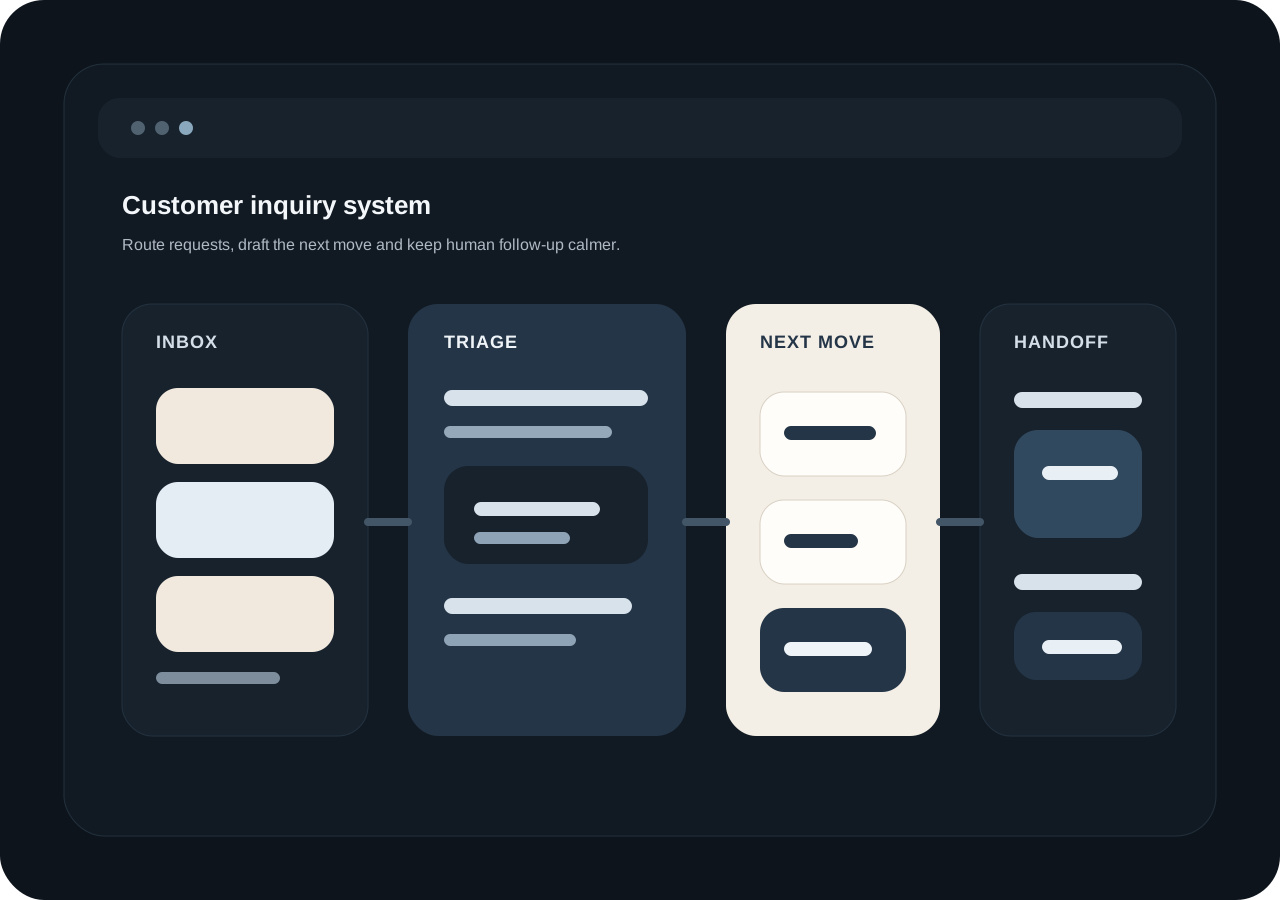
Customer requests are coming in from forms, inboxes, chat or different people, and the handling feels scattered.
Too much time goes into sorting, routing or rewriting the same kind of first response.
The team needs a calmer intake flow before requests become support debt or missed follow-up.
What it can include
Sort new requests faster and route the right things to the right person without so much manual handling.
Create a calmer first layer for replies, summaries or internal notes before a human review.
Give the team one lighter system for inbound requests instead of inbox chaos and ad hoc forwarding.
Useful for service teams, smaller support operations and businesses with many repeated customer questions.
How we approach it
We look at where requests arrive, how they are handled now, and where time gets lost.
Usually the right first version is a simple intake, triage and follow-up flow instead of a giant support system.
Once the flow works, it can be improved with better drafts, routing, notes and automation.
Good fit
This usually fits when customer requests are coming in from too many directions and the team is still relying on inbox habits, manual forwarding and repeated rewriting to keep up.
A good first version is often narrower than people expect: one intake flow, one triage step and one clearer internal handoff that immediately reduces noise.